A mesh football jersey can make or break your game day experience, especially when you need extended sizes that actually fit right.
I’ve seen too many players struggle with jerseys that are either too tight, too loose, or just plain uncomfortable because they didn’t know what to look for. Here’s the thing – most people think bigger just means scaling up a regular jersey.
Wrong. Extended sizing in football jerseys is a whole different beast, and when you throw mesh fabric into the mix, there are specific things you need to know to get it right.
Why Fit Actually Matters More Than You Think
Look, I get it. You might think any jersey will do as long as it’s the right team colors. But here’s what I learned after years of watching players at every level: comfort directly impacts performance.
When your jersey fits properly, you’re not constantly adjusting it during plays. You’re not dealing with fabric bunching up under your pads or sleeves that restrict your throwing motion.
A good mesh jersey in the right extended size becomes invisible – you forget you’re wearing it.
Breaking Down Mesh Football Jerseys
Understanding the technical aspects of mesh fabric will help you make better decisions when shopping for extended sizes.
Mesh Fabric Differences
Mesh fabric isn’t just regular fabric with holes in it. It’s engineered for airflow and flexibility. The open weave structure allows air to move through the fabric, which keeps you cooler during those intense fourth quarters.
Here are the three main types of mesh you’ll encounter:
Standard mesh: Basic open weave, most affordable option
Mini-porthole mesh: Smaller holes, more durable but still breathable
Porthole mesh: Larger holes, maximum airflow but can be less durable
Performance Benefits
When I first switched to mesh jerseys, the difference was immediate. The breathability factor alone was game-changing. But there’s more to it:
Better range of motion – The fabric moves with you instead of against you
Faster drying – Sweat doesn’t stick around as long
Lighter weight – Less fabric weight means less fatigue over time
Key Features That Actually Matter
The construction details and design elements directly impact how well your jersey performs in extended sizes.
Construction Details
Single vs. Double Yoke Construction This is where most people mess up.
Single yoke construction uses one piece of fabric across the shoulders.
Double yoke uses two layers, which gives you more durability but can feel bulkier in extended sizes.
For extended sizes, I usually recommend single yoke unless you’re dealing with extremely physical play. The double yoke can add unnecessary bulk where bigger players already have fit challenges.
Sleeve and Pad Compatibility
This is crucial for extended sizes. Your sleeves need to work with your shoulder pads, not against them. Here’s what to look for:
Proper sleeve length that doesn’t ride up when you raise your arms
Adequate armpit room so the jersey doesn’t pull tight across your chest
Reinforced seams where the sleeves meet the body (high-stress areas)
Reinforced Stitching Requirements
Bigger jerseys take more stress. Period. The fabric stretches more, the seams work harder, and if the stitching isn’t reinforced properly, you’ll have blowouts at the worst possible moments.
Look for double-stitched seams at stress points and reinforced shoulder areas where your pads will create the most friction. Quality reinforced stitching makes all the difference in jersey durability.
Extended Sizing Differences
Extended sizing involves more than just making everything bigger – it requires proportional adjustments for larger body types.
Sizing Adjustments Explained
Extended sizes adjust:
Chest and waist proportions differently than standard scaling
Sleeve length to accommodate longer arms
Torso length for taller players
Shoulder width for broader frames
Accurate Measurement Techniques
Don’t guess. Don’t use your regular shirt size. Get measured properly:
Chest: Around the fullest part, with arms relaxed
Waist: Where you normally wear your belt
Sleeve length: From center back neck to wrist
Torso length: From shoulder to where you want the jersey to end
Pro tip: Get measured while wearing the undershirt or base layer you’ll actually wear during games. This accounts for the extra layer thickness.
Gear Accommodation
If you’re ordering extended sizes, you’re probably wearing substantial protective gear. Your jersey needs to accommodate:
Shoulder pads without pulling tight across the chest
Rib pads without creating excess fabric bunching
Arm sleeves or elbow pads without restricting circulation
Customization in Extended Sizes
Personalizing jerseys in extended sizes requires different approaches than standard sizing to maintain proper proportions.
Number and Name Placement
This is where things get tricky with extended sizes. Standard placement rules don’t always work when you’re dealing with larger jersey dimensions.
Number placement needs to be proportionally adjusted. A number that looks right on a medium jersey might look tiny on a 4XL. Work with your customizer to ensure proper scaling.
Name placement follows the same rule. The font size and spacing need to match the jersey size, not use standard measurements.
Color and Design Options
Mesh jerseys can handle most customization options, but extended sizes have some limitations:
Complex designs might not scale well across larger surfaces
Gradient colors can look different on mesh vs. solid fabric
Multiple colors require more precision in larger sizes
Custom Order Best Practices
Always order a sample in your size before doing a full team order
Specify your exact measurements rather than relying on size charts
Request placement mockups for numbers and names
Plan for longer lead times – extended sizes often take longer to produce
Getting the Fit Right
Achieving the perfect fit requires going beyond size charts and considering real-world factors that affect how jerseys perform.
Size Chart Limitations
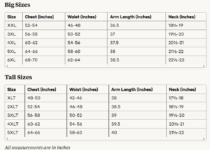
Every manufacturer cuts differently. A 2XL from one company might fit like a 3XL from another. Size charts give you a starting point, but they’re not gospel.
What works better: Find reviews from people with similar builds, or better yet, get your hands on a sample jersey in your size before ordering.
Sample Testing Strategy
If you’re ordering for a team, invest in samples. Order one jersey in each size you’ll need, try them on with full gear, and adjust your orders based on actual fit rather than theoretical measurements.
Position-Specific Fit Requirements
Linemen need more room across the chest and shoulders but might want a more fitted waist to prevent holding penalties.
Skill position players usually prefer a more fitted overall cut for better aerodynamics and less fabric for opponents to grab.
Quarterbacks need specific attention to sleeve length and shoulder room for throwing motion.
Common Sizing Mistakes to Avoid
Learn from these frequent errors to save time and money on your jersey purchase.
Oversizing Problems
This is the biggest mistake I see. Players order extended sizes that are too large thinking they’ll be more comfortable. Wrong. Excess fabric creates drag, gets in the way, and can actually be less comfortable than a properly fitted jersey.
Shrinkage Considerations
Mesh jerseys can shrink, especially if they’re not pre-shrunk. Factor in about 2-3% shrinkage in both length and width unless the manufacturer specifically states the fabric is pre-shrunk.
Gear Thickness Factors
Your jersey needs to fit over your gear, not just over your body. If you’re wearing substantial padding, your jersey size needs to account for that added bulk.
Making the Right Choice
Getting the right mesh football jersey in extended sizes comes down to understanding that bigger doesn’t just mean scaled up. It means proportionally adjusted for how larger body types actually fit into athletic wear.
Don’t rush the process. Take proper measurements, consider your gear, think about your position requirements, and invest in samples when possible. The extra time upfront will save you frustration and potentially money down the road.
At 4xapparel.com, we understand these challenges and specialize in helping you find the perfect fit in extended sizes. Our team can guide you through the selection process to ensure you get a jersey that meets your specific needs.
Remember, the right jersey becomes invisible during play. You shouldn’t be thinking about how it fits, how it feels, or how it’s restricting your movement. When you get your mesh football jersey sizing ri
Frequently Asked Questions (FAQS)
1. What’s the difference between mesh and regular football jerseys in extended sizes?
Mesh jerseys offer better breathability and flexibility through their open weave structure. This becomes more important in extended sizes where there’s more fabric surface area and players need extra room for movement.
2. How do I know if I need extended sizing for my mesh football jersey?
If you’re consistently between sizes in regular clothing, standard jerseys feel tight with gear on, or you’re 6’3″ or taller, consider extended sizing. It accounts for proportional differences that standard sizing doesn’t address.
3. Will mesh football jerseys in extended sizes be less durable?
Not necessarily. Durability depends on construction quality and reinforcement, not mesh fabric itself. Look for double-stitched seams and reinforced stress points. Quality mesh jerseys in extended sizes can be just as durable.
4. Can I customize mesh football jerseys the same way in extended sizes?
Yes, but customization needs proportional adjustment. Numbers, names, and designs should be scaled for the larger jersey size. Work with a customizer who understands extended sizing for proper placement.
5. How should extended size mesh jerseys fit with full football gear?
Your jersey should allow free movement with all gear on without being baggy. You should raise your arms fully, move side to side, and bend without the jersey pulling tight or creating uncomfortable bunching.
Big, Tall, and Plus Size apparel for men and women. We carry men's apparel in big sizes 2X, 3X, 4X, 5X, 6X, 7X, 8X, Tall sizes XLT-6XT, and Plus sizes up through Women's Plus 5XL. T-Shirts, hoodies, jerseys, jackets, and more.